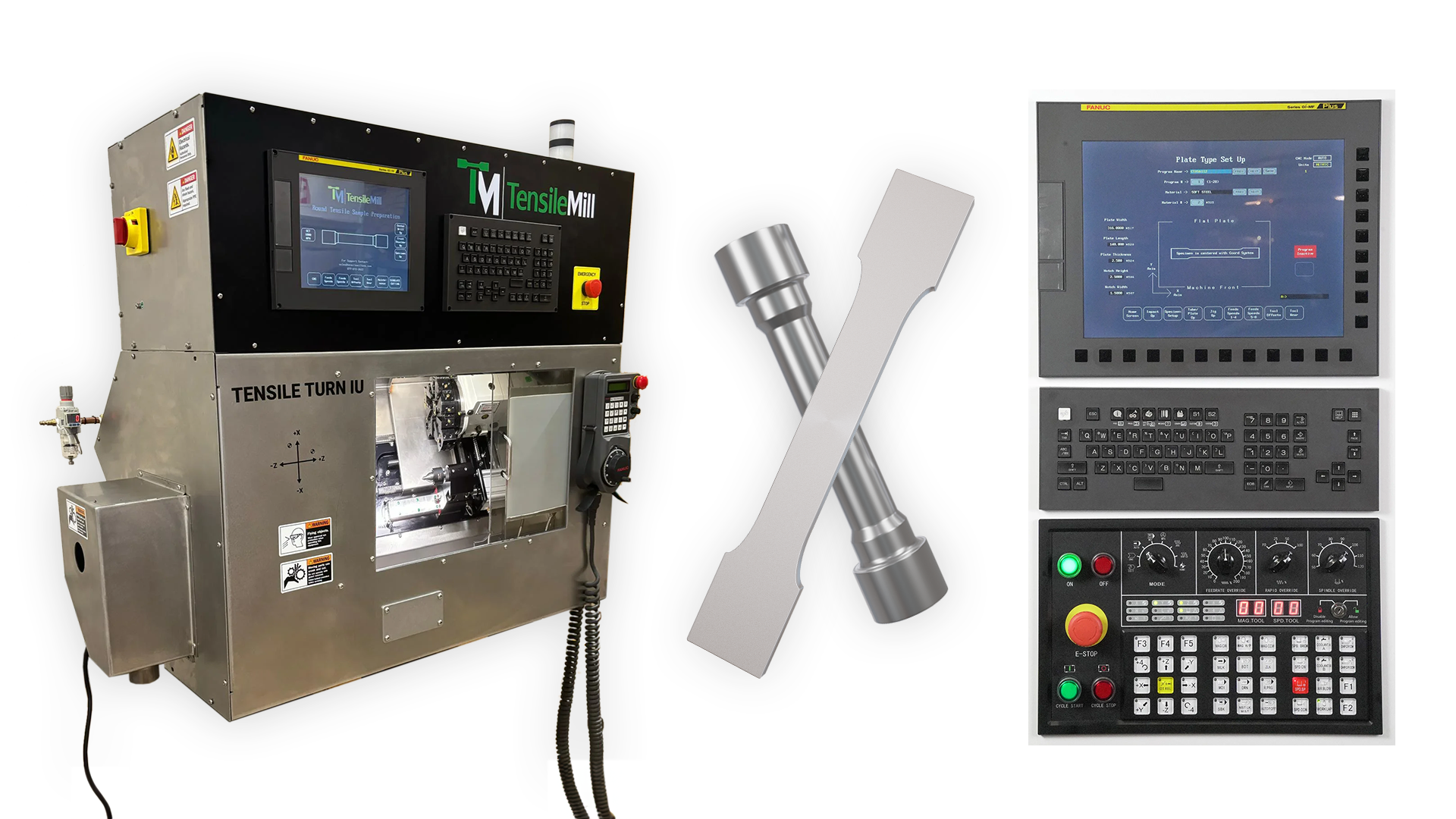
The preparation of tensile specimens is a critical aspect of material testing, as it involves creating samples to evaluate a material's response to tensile (pulling) forces. The accuracy of tensile testing relies heavily on the quality of specimens. Properly prepared samples, with uniform dimensions and smooth surfaces, can result in reliable and consistent test outcomes.
Any imperfections in specimens, such as jagged edges or nicks, can compromise accuracy by introducing stress concentrations that cause premature failure. The choice of equipment is a key factor in producing high-quality round and flat specimens. While manual router mills depend on operator skill and experience, automated tensile sample preparation systems leverage advanced technology to deliver superior precision and consistency. Selecting the right approach is fundamental to minimizing preparation-induced flaws and accurately evaluating material properties.
Manual router mills may seem like a simpler and lower-cost option. However, they come with significant disadvantages compared to automated systems. The purpose of this blog is to provide an in-depth discussion of both types of equipment and demonstrate how automated tensile sample preparation systems outperform manual in terms of precision, efficiency, and safety.
Understanding Manual Router Mills and Automated Tensile Sample Preparation Systems
To begin with, it is worthwhile to understand what manual router mills and automated tensile sample preparation systems are, how they function, and their purpose. This knowledge forms the basis for evaluating which method better meets precision, efficiency, and safety demands.
What is a Manual Router Mill?
A manual router mill, sometimes referred to as a hand-guided router-based system or a router-style mill, is a hand-operated tool used to shape materials into tensile specimens. These machines require a skilled operator to manually guide the cutting process, making real-time accuracy adjustments. Manual router mills are common in small laboratories, prototyping environments, and facilities where flexibility and lower upfront costs are priorities. They are valued for their adaptability, as operators can modify settings to accommodate unique or irregular sample geometries. However, they are prone to inconsistencies, as the final result heavily depends on the operator's experience and attention to detail.
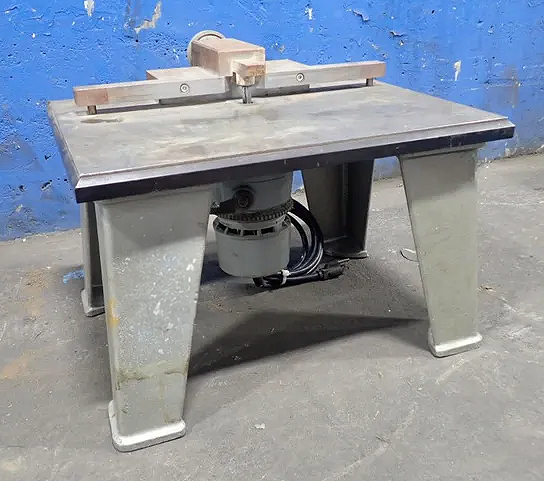
The router-based manual cutting table, such as the one shown in the picture, is sometimes referred to as a manual router mill due to its similar functionality and purpose. It complements the hand-guided router-based system by providing a stable, flat surface for positioning materials during cutting. It features a mounted router below the table, enabling operators to move the material across the cutting area. Even so, as with manual router mills, these tables are prone to inconsistencies, as the final result heavily depends on the operator's experience and attention to detail. Additionally, improper handling or lack of focus during operation increases injury risk, making operator skill and safety precautions paramount.
What is an Automated Tensile Sample Preparation System?
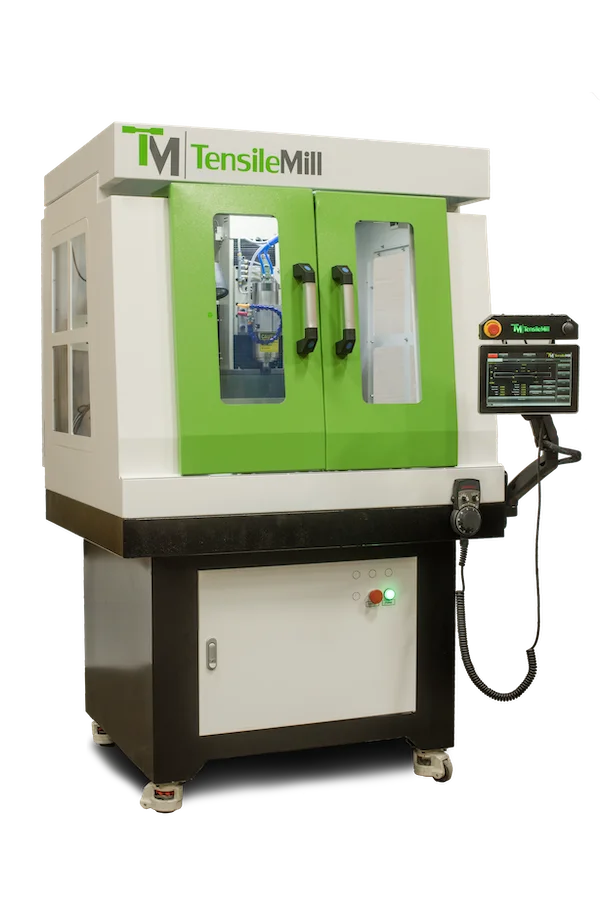
An automated tensile sample preparation system, in most cases, is a CNC (Computer Numerical Control) machine intended to produce high-precision tensile specimens with minimal human intervention. These systems use programmable technology to guarantee consistency and compliance with standards such as ASTM and ISO.
Automated systems are commonly found in industries demanding high throughput and absolute precision. These systems minimize human error, reduce preparation time, and increase safety through advanced features like enclosed workspaces and automated material handling. They are particularly well-suited for preparing large volumes of specimens with consistent dimensions and smooth finishes.
Manual Router Mills - Major Concerns
Manual router mills, especially router-based manual cutting tables, while being used in tensile specimen preparation, present several serious problems that may compromise the quality of the specimen and the results of the test as a whole. Here are some examples:
Precision and Consistency
Maintaining dimensional accuracy with manual router mills is challenging due to their reliance on operator skills. This dependence often leads to variations in specimen dimensions, which makes it difficult to comply with ASTM and ISO standards consistently.
Cycle Preparation Time
Manual processes are time-consuming. The need for continuous operator involvement slows down specimen preparation and introduces variability due to human factors. The inefficiency can lead to bottlenecks in the testing workflows, which can result in project timelines being pushed back.
Operator Safety
Manual handling of sharp tools in router mills poses potential safety risks. Operators are exposed to potential injuries, including cuts and repetitive strain injuries.
Material Limitations
Hand-guided router-based systems often struggle with harder materials, such as Inconel or hardened steel. This limitation restricts their applicability in industries that require testing of a broad scope of materials, potentially necessitating additional equipment or processes.
Compliance Challenges
Due to difficulties maintaining precise control, specimens prepared with manual router mills may fail to meet current compliance standards. This non-compliance can lead to unreliable test results and may necessitate re-preparation of specimens, further increasing time and resource expenditure.
These are not all the problems associated with hand-operated router mills. Nevertheless, it is evident that modern demands require more advanced equipment for tensile specimen preparation. Manually prepared samples often fail to meet the stringent requirements of today’s international standards, such as ASTM E8 for metallic materials or ISO 6892, which demand precision, consistency, and uniformity. Therefore, manual methods are no longer viable in industries that prioritize accuracy, efficiency, and compliance.
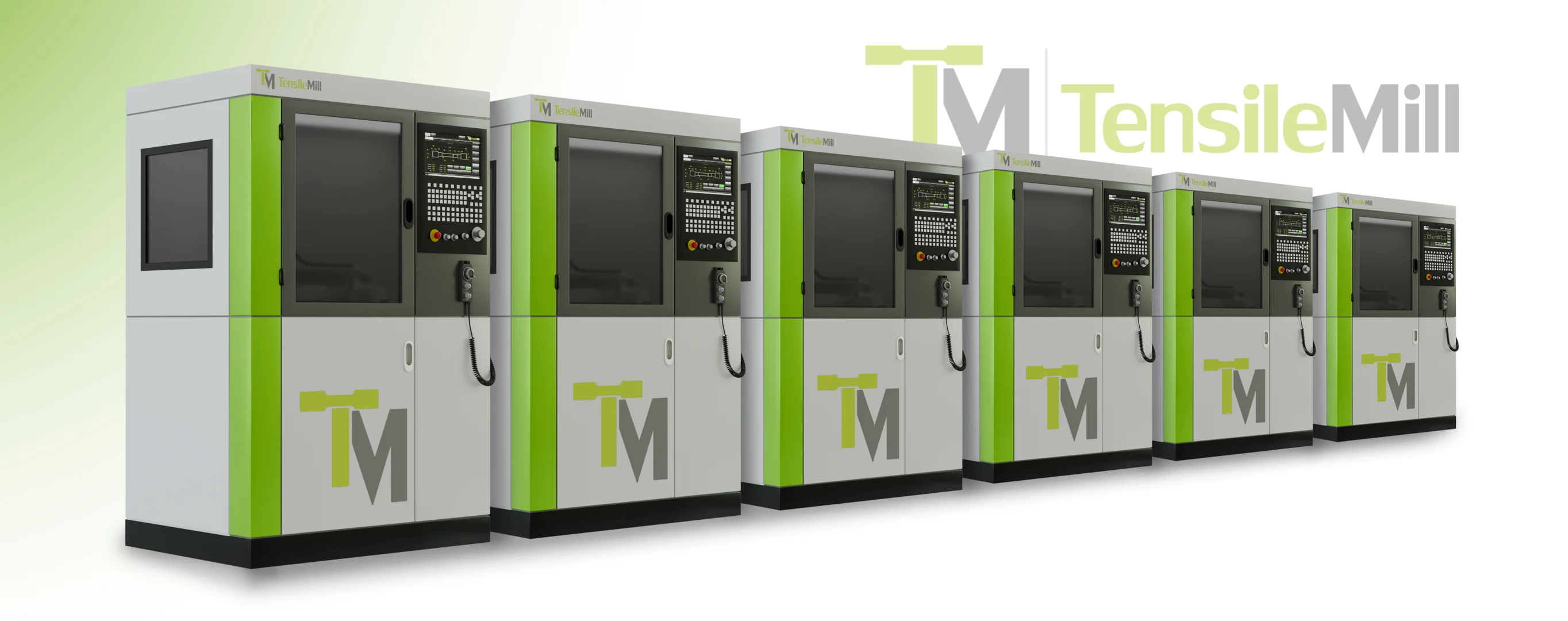
How Automated Preparation Systems Solve Your Concerns
It is clear that modern industries are seeking solutions to overcome the limitations of router-based systems. Automated tensile sample CNC-based preparation systems are engineered to tackle these pain points head-on, offering precision, efficiency, and safety that meet or exceed international standards.
Automated systems are extremely effective at producing consistent results with exceptional accuracy. By leveraging CNC technology, these systems guarantee that every specimen, whether flat or round, is prepared to exact specifications, minimizing dimensional variations and supporting compliance with standards like ASTM E8, ISO 6892, and other relevant testing norms. Unlike manual methods such as those used with a router-based manual cutting table, automation reduces human error, leading to consistently prepared samples, thereby improving test results' reliability.
Automated systems significantly reduce cycle times, allowing multiple specimens to be prepared in a fraction of the time required by manual processes. For example, a CNC tensile preparation system can prepare a batch of samples all at once, improving workflow efficiency and reducing downtime. These systems also simplify operations by enabling operators to focus on higher-level tasks, maximizing productivity across the laboratory.
Safety is a key component of automated systems. With features like enclosed workspaces, automatic material handling, and minimal manual intervention, these machines protect operators from potential hazards such as exposure to sharp tools and repetitive strain injuries. By prioritizing safety, automated systems can help minimize workplace incidents and associated costs, contributing to a safer and more efficient working environment.
Automated systems have the ability to work with an array of materials, from soft plastics to high-strength alloys like titanium and Inconel. This capability allows industries to prepare specimens from diverse materials without the need for additional equipment, making these systems a cost-effective solution for numerous applications.
Complying with international standards is a non-negotiable requirement. Automated tensile specimen preparation tools produce specimens that comply with modern requirements but also provide detailed logs and reports to validate the preparation process. This level of documentation provides accountability and facilitates audits, further cementing automated solutions' superiority over manual methods.
TensileMill CNC: Advanced Solutions for Flat and Round Specimen Preparation
At TensileMill CNC, we provide our customers with cutting-edge, CNC-based automated tensile sample preparation machines. Our range includes specialized equipment for both flat and round specimen preparation, designed to meet the highest testing standards. Here are 2 of our top-selling CNC machines:
TensileMill CNC – Classic Upgrade for Flat Specimen Preparation
The TensileMill CNC – Classic Upgrade sets the benchmark for preparing flat tensile and impact test specimens with precision and efficiency. Designed for both non-trained and experienced CNC operators, this system combines simplicity with advanced functionality through the innovative TensileSoft™ design and Fanuc controller.
The following are the key features and benefits of this product:
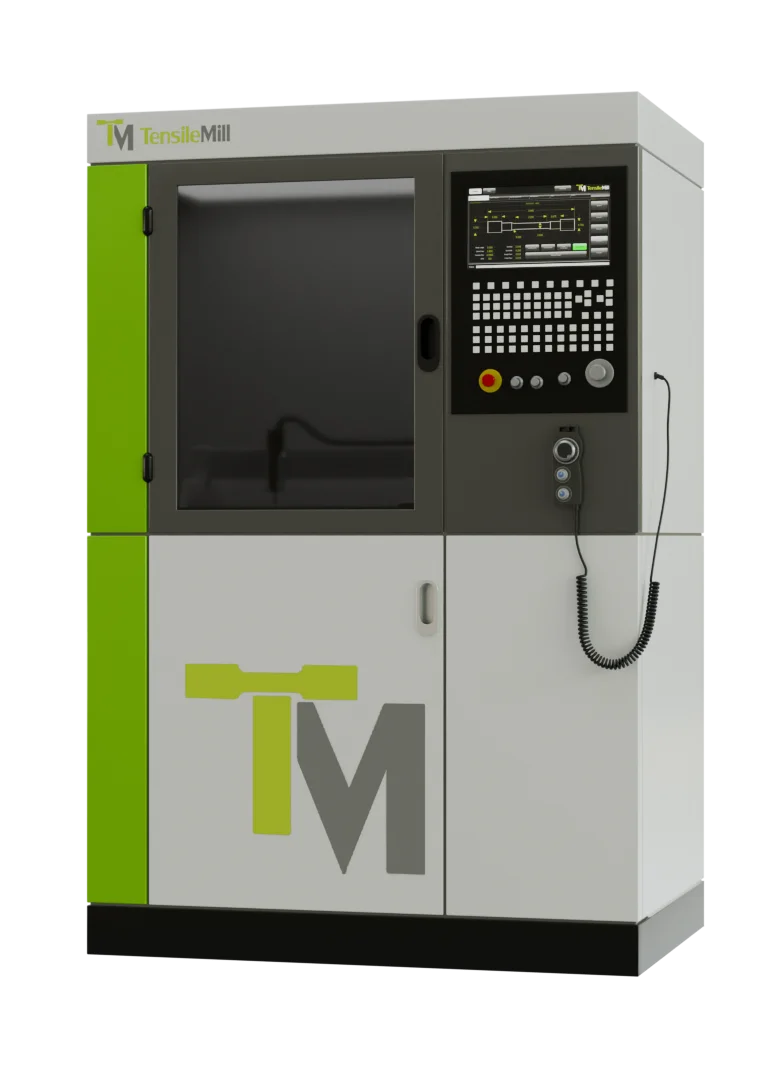
- Precision and Repeatability: Capable of ±0.0003” accuracy, resulting in consistent specimen quality every time.
- Efficiency: Prepares up to 8 samples all at once, saving up to 90% of preparation time.
- Versatility: Handles specimens up to 14” (350mm) in length, 2” (50mm) in width, and 0.5” (12.5mm) in thickness.
- Standards Compliance: Fully compliant with ASTM, ISO, DIN, and JIS standards.
- Hybrid Functionality: The world’s first machine to prepare both impact and flat tensile specimens, complemented by optional notching capabilities for U and V-notch samples.
The rugged cast iron frame, automatic lubrication system, and pre-programmed library for ASTM and ISO dimensions make it a turnkey solution for tensile specimen preparation. Additionally, its user-friendly interface allows operators to program custom shapes and dimensions easily.
Ideal for laboratories requiring precise metal impact and tensile test preparation, the TensileMill CNC – Classic Upgrade revolutionizes workflows, offering outstanding performance with reduced vibration, no chatter, and the ability to handle metals up to 60 HRC.
TensileTurn CNC – Industrial Upgrade for Round Specimen Preparation
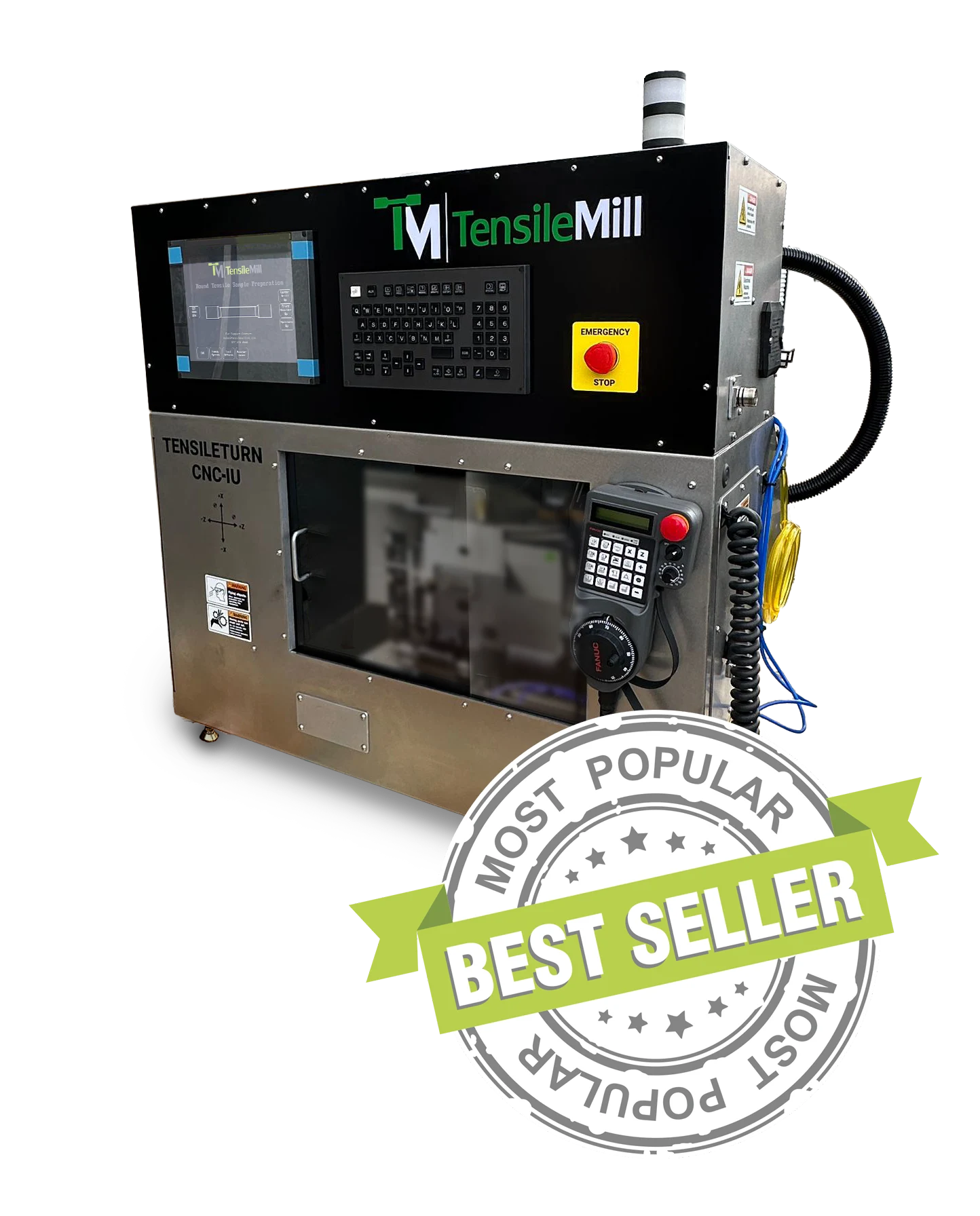
The TensileTurn CNC – Industrial Upgrade is a compact, automatic CNC lathe built for the accurate preparation of round tensile specimens. Its advanced capabilities make it the industry leader in achieving precise and repeatable results, even with complex specimen shapes.
The following are some of the main features and benefits of this tool:
- Accuracy and Versatility: Machines standard round specimens, sub-size specimens, threaded tensile bars, and fatigue specimens.
- Ease of Use: Equipped with TensileSoft™ software and a touch-screen interface, allowing operators to select standards (ASTM, ISO, DIN) or enter custom dimensions.
- Automation: Features an 8-position turret, center drilling automation, and FANUC servo motors for superior performance.
- Compact Design: Small footprint ideal for laboratories with space constraints.
This upgraded system improves specimen preparation by bypassing machining center wait times, enabling laboratories to prepare specimens within minutes. Its granite frame, high-speed spindle, and stainless steel enclosure provide stability and durability for industrial-grade machining.
The TensileTurn CNC – Industrial Upgrade is the preferred choice for laboratories preparing round specimens for tensile testing. Its ability to handle materials such as aluminum, titanium alloys, and threaded specimens allows it to be versatile and extremely useful for high-precision operations.
Automated vs. Manual: The Smartest Choice for Modern Testing Needs
When it comes to preparing tensile specimens, automated tensile sample preparation systems clearly outshine manual tools like router mills and router-based manual cutting tables. Automated systems offer superior precision, efficiency, and safety, addressing critical pain points associated with manual methods. With their ability to handle different materials, produce consistent results, and meet modern ASTM and ISO standards, CNC-based machines are the ultimate solution for industries that demand excellence in testing.
Manual router mills, while appearing cost-effective, fall short in reliability and consistency, often resulting in increased time, labor, and non-compliance with international standards. In contrast, automated systems reduce these difficulties, optimizing workflows, improving test accuracy, and improving operator safety. In competitive industries, investing in automated technology guarantees not only compliance but also future-proof operations.
At TensileMill CNC, we are committed to helping you find the right equipment for your specific needs. Whether you require flat or round sample preparation, our cutting-edge CNC machines optimize your testing processes. Please contact us directly or request an online quote if you have additional questions or would like to receive a personalized touch from our experienced sales team.